
Deemo
RAYARKMusic
4.524.54K Reviews
- Version
- 5.0.11
- Installs
- 5.00M
- Age Rating
- Everyone
Screenshots
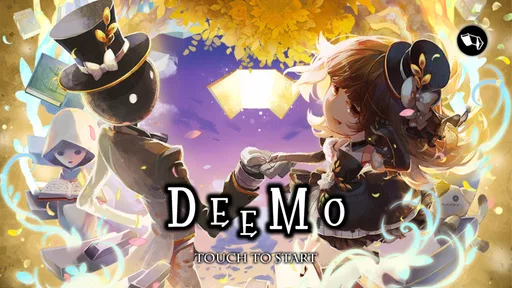
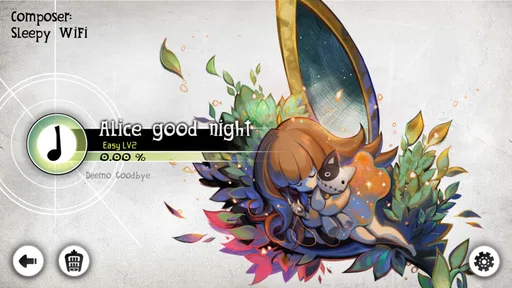
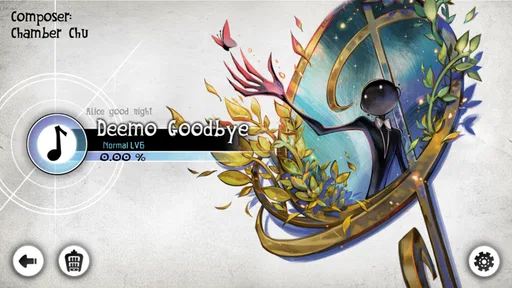



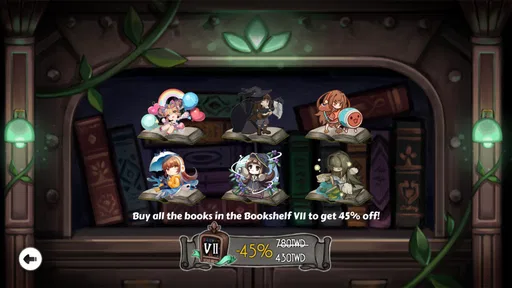
Our Review of Deemo
 Analysis by Appyee
When I try a rhythm game for the first time, I usually ask two questions: does it feel good to play, and will I still want to open it after the first burst of curiosity wears off? Deemo makes a strong first impression with piano music, a story threaded through the songs, and a quiet visual style. What matters more over time is how naturally those pieces fit into short sessions—and whether its careful, reflective mood is what I want from a game on an ordinary day.
The first week: a gentle invitation to play
In the opening sessions, the appeal is easy to understand. Notes descend toward a line, and I tap or hold them in time with the music. The basic idea is familiar if you have played a rhythm game, but the piano-led arrangements and the game’s story give each track more atmosphere than a bare score challenge. It is approachable enough to try without treating every early mistake as a reason to quit.
The story gives the music a purpose beyond chasing a high score. Deemo plays piano in a mysterious world, and his connection with a little girl becomes part of the reason to keep progressing. I found the slower unfolding effective: it gives the game room to build feeling rather than explaining everything at once. If you prefer a plot that moves quickly, that patience may feel less like an invitation and more like a delay.
There is a useful distinction between playing to follow the narrative and playing to improve. A new player can concentrate on the timing and enjoy the mood, while someone with rhythm-game experience can pay closer attention to accuracy and tougher charts. I would start with a difficulty that lets me listen as well as react. Moving up as soon as a chart feels comfortable is more rewarding than turning the first session into a test of reflexes.
How Deemo holds up beyond the novelty
I judge a rhythm game by whether it still feels worth opening once its first songs and story have become familiar. Here, the lasting appeal depends less on keeping up with a routine and more on choosing a track that suits the time and mood I have. That makes it useful to look beyond the opening charm and consider what returning actually asks of me.
Music that gives short sessions a point
The soundtrack is the reason I can imagine returning even when I have only a little free time. A single song makes a tidy break between other tasks: I can play, hear a complete arrangement, and stop without needing to commit to a long gaming session. That makes Deemo a good fit for someone who wants a focused musical interlude rather than a game that demands a daily routine.
There is also a practical way to make repeat plays feel less like grinding. I would choose one track I enjoy and replay it at a comfortable level before moving to a harder version. That lets me notice where the rhythm catches me out and build familiarity without turning every session into score chasing. When I want a change of mood, switching to another song is more appealing than replaying a difficult chart simply because its number is lower.
Compared with many music games built around a bright, fast arcade feel, this one leans into piano pieces, quiet scenes, and a story with emotional weight. That difference is its strength, but it also defines who may not connect with it. If I wanted electronic tracks, a more energetic presentation, or the satisfaction of a purely competitive score chase, I would look for a game that puts those priorities first. Deemo is better suited to listening and playing as one experience.
Month-to-month value and changing goals
The reasons to return can change over time. At first I might play to see where the story goes; later, I might come back for the compositions or to improve on tracks I already know. Multiple difficulty settings help give familiar music a new challenge, although replayability depends on whether I enjoy revisiting songs rather than constantly needing new stimuli. A large-sounding library is not automatically valuable if the musical style is not one I want to hear repeatedly.
For a realistic everyday routine, I can picture opening it after work while waiting for a meal to finish. I would pick a song that suits my mood, play one or two attempts, and leave it there. On a more attentive evening, I could spend longer working through a harder chart. The important trade-off is that this is best enjoyed when I can focus on timing; it is not my first choice if I need something that can be played absent-mindedly while doing another task.
Its longstanding presence is reflected in its audience: the game has been available since December 26, 2013, and has over five million installs. It holds an average rating of 4.5 from around 558,000 ratings, with about 25,000 written reviews. Those figures suggest broad, lasting interest, but they do not guarantee that its measured, piano-centered style will suit every player. I would treat them as a reason to consider it, not as a substitute for deciding whether its pace and music appeal to me.
Keeping it installed: cost, upkeep, and friction
The game is free to start, which makes trying its basic appeal a relatively low-commitment decision. Optional in-app purchases range from $0.99 to $54.99 per item, so I would check what an offer contains and whether I actually want it before spending. My advice is to first establish whether I enjoy the core loop and soundtrack; paying for extra content makes more sense when I already know I will return, not while I am still deciding whether the game’s style works for me.
On the maintenance side, this is not the sort of game I need to keep up with through a daily checklist to get value from it. That is a plus if I dislike streak pressure or chores. Its current version is 5.0.11 and the minimum operating system is Android 5.0; on iOS, I would still check the device’s store page for compatibility before downloading. The age rating is Everyone, which makes its broad, music-led approach easy to consider for different ages, though individual comfort with the story’s emotional tone is a separate question.
One small but worthwhile habit is to decide what I want from a session before starting: story progress, a relaxed listen, or practice on a chart. Those aims call for different levels of attention. For practice, repeating a song at a manageable difficulty is more useful than jumping straight to the hardest option; for unwinding, I can choose music I already like and avoid turning a peaceful game into a performance test. That flexibility helps the game fit around changing moods without requiring a complicated routine.
Where fatigue can set in
The same qualities that make Deemo distinctive can become tiring if I want more variety in its presentation. Its subdued atmosphere and piano focus are central to the experience, so players who prefer a steady stream of high-energy tracks may find the mood too narrow. Likewise, the story unfolds gradually. I would not recommend it as the best pick for someone who wants immediate plot payoffs or who treats every rhythm game as a quick contest against friends.
Difficulty can be another source of friction. More demanding charts ask for precise timing and quick responses, and repeated attempts can stop being enjoyable if I am chasing a result rather than learning the pattern. I find it better to step down a level when a song becomes frustrating, then return after the rhythm feels familiar. There is no need to prove anything to the game; the music is part of the point.
Touchscreen rhythm play also asks for a little attention to how I hold the device and where my fingers land. If my hands cover the visual cues or I keep missing notes while trying to tap comfortably, changing my grip or taking a short pause is more sensible than assuming the track itself is the problem. The game works best when I can see the notes clearly and give the music my focus, rather than squeezing in a distracted attempt in a noisy or cramped moment.
Who will get the most from it?
I would recommend it to players who like melodic piano music, enjoy stories that unfold through play, or want a rhythm game that feels reflective rather than relentlessly competitive. It can also suit someone who wants a game to revisit in short bursts without being pushed into a daily habit. If a friend asked me for a music game that offers more atmosphere than a score screen, this is one I would suggest trying.
I would steer away from it if the main draw is a broad mix of high-tempo genres, rapid progression, or multiplayer competition. It is also not ideal for someone who dislikes repeating songs to improve or who needs a story to move quickly. A more arcade-oriented rhythm game may be a better match for those tastes. The choice is less about which style is objectively better and more about whether I want to listen closely, follow a gentle narrative, and accept a slower pace.
Final thoughts: a game with staying power, if its mood fits
From the moment I launched Deemo, I was greeted by an ethereal atmosphere that set the tone for what was to come. The game starts with a mysterious narrative, pulling you into a world where music brings life and emotion. The central character, Deemo, plays the piano to help a little girl find her way home, and it’s through this musical journey that the story unfolds.
The gameplay is quite straightforward but addictive. As music notes fall from the top of the screen, you must tap, hold, or slide them in time with the music. It's a simple concept, but the execution is what makes it special. The synchronization between the music and the tapping is spot on, making it a satisfying experience every time you hit a note perfectly.
Visuals and Soundtrack
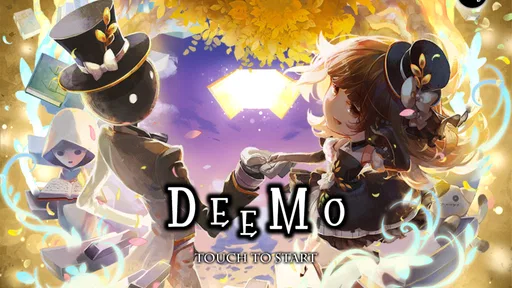
Visually, the game is a treat. The hand-drawn art style is both charming and captivating, with each scene meticulously crafted to enhance the overall mood of the game. The animations are fluid, and the transitions between gameplay and story are seamless.
Now, let’s talk about the soundtrack, which is arguably the heart and soul of Deemo. The music is a mix of piano-led compositions that range from serene and melancholic to upbeat and energetic. Each track is beautifully composed, and as you progress, you unlock more songs that add depth to the story. I found myself replaying tracks not just to improve my score but to enjoy the music again and again.
Storyline and Emotional Depth
One of the standout features of Deemo is its storyline. Unlike many rhythm games, Deemo offers a narrative that is both moving and engaging. The story unravels slowly, with each song you play bringing you closer to the truth. There are emotional twists and turns, and without giving too much away, let's just say it’s a tale about loss, hope, and the power of music.
The emotional depth of the game is something that genuinely surprised me. I didn’t expect to feel such a connection to the characters, but the combination of music and storytelling really draws you in. It’s a testament to the game’s design that it can evoke such feelings through a simple mobile platform.
Challenges and Replayability
For those who enjoy a challenge, Deemo offers multiple difficulty settings. Whether you’re a novice or a rhythm game veteran, there’s something here for you. The harder levels are particularly challenging, requiring precision and quick reflexes. But don’t worry, even if you’re just starting out, the game is forgiving enough to allow you to learn and improve your skills over time.
Replayability is high, thanks in part to the vast library of songs and the different difficulty settings. There’s always a new score to beat or a new song to master. Plus, the story elements provide a reason to come back and experience the journey all over again.
Rayark has made Deemo free to download, and it remains a music game rather than a utility or a social platform. I would think of purchases as optional extras and decide based on how much I enjoy returning to its songs. For me, its value is not in maintaining a streak or collecting a daily reward; it is in having a distinctive set of music and a story I can revisit when I am in the right mood.
Final Thoughts
In conclusion, Deemo is more than just a rhythm game. It’s an experience that combines stunning visuals, an unforgettable soundtrack, and a touching story. Whether you’re playing for the music or the narrative, there’s something here for everyone. So, if you’re looking for a game that will not only entertain but also move you, Deemo is well worth your time.
Download it, plug in your headphones, and let yourself be swept away by the magical world of Deemo. Trust me, it’s an adventure you won’t want to miss.
Verdict
Strengths of Deemo
- Beautifully composed original soundtrack.
- Intuitive and immersive gameplay.
- Captivating and emotional storyline.
- Wide variety of songs and difficulty levels.
- Stunning, hand-drawn art style.
Limitations of Deemo
- Limited free content; in-app purchases needed.
- Requires constant internet connection.
- High difficulty curve for beginners.
- Occasional lag on older devices.
- Story progression can be slow.
Other Releases by RAYARK
View All


Similar Picks in This Category
View All
Tiles Hop Music & Ball Game
AMANOTES PTE. LTD.4.3

Magic Tiles 3™ - Piano Game
AMANOTES PTE. LTD.4.6

Real Piano
Bilkon3.7

Piano Game: Classic Music Song
Dream Tiles Piano Game Studio4.0

Smash Colors: Music Ball Rush
BADSNOWBALL HONGKONG LIMITED4.2

Piano Music Go-EDM Piano Games
Joy Journey Music Games4.5
Frequently Asked Questions
What is Deemo about?
Deemo is a rhythm-based music game developed by Rayark International Limited. The game combines music with a compelling narrative, where players help a mysterious character named Deemo return to his world. As you play, you uncover more of the story through beautifully animated cutscenes, making it both an auditory and visual experience.
Is Deemo suitable for all ages?
Deemo is designed to be family-friendly and suitable for all ages. The game features calming music and a touching storyline, making it ideal for both younger players and adults. However, some themes in the storyline might be more appreciated by older players who can grasp the emotional depth of the narrative.
What are the key features of Deemo?
Deemo offers a vast library of piano-based tracks, with over 200 songs ranging across various genres. The gameplay involves tapping notes as they fall in time with the music. The graphics are beautifully rendered, and the story unfolds through enchanting animations. Regular updates add new songs and features, keeping the game fresh.
Does Deemo require an internet connection to play?
Deemo can be played offline, which is perfect for users who want to enjoy the game without needing a constant internet connection. However, some features, such as downloading new songs or updates, will require connectivity. This makes it convenient for both on-the-go gaming and playing at home.
Are there any in-app purchases in Deemo?
While Deemo offers a substantial amount of content for free, it does include in-app purchases. Players can buy additional song packs to expand their music library. These purchases are optional and not necessary to enjoy the full storyline, but they enhance the overall experience for those looking to explore more music.
Play our best games!


